Last Updated on 5 months ago by
Interior design in New York City is unlike anywhere else in the US. You’re working with small square footage, strict co-op board rules, pre-war quirks, and some of the most competitive real estate on earth. At Interior Design Trend, we’ve seen this firsthand across 200+ projects and the gap between a good NYC renovation and a painful one usually comes down to one thing: preparation.
This guide gives you real 2026 costs, style breakdowns, room-by-room advice, and an honest step-by-step hiring process. No fluff. No false promises.
How Much Does Interior Design in New York City Actually Cost?
Here’s the truth most articles skip: NYC interior design pricing has three models, and they’re not created equal.
Hourly rate runs $150–$500/hour depending on the designer’s track record. This works for consultations or small single-room projects. But in NYC, where complexity is high, hours add up fast.
Flat fee is how most established NYC firms operate in 2026. Expect $5,000–$15,000 for a single room and $25,000–$80,000+ for a full apartment. The flat fee covers concept development, sourcing, floor plans, and vendor coordination but not furniture.
Percentage of project is common for gut renovations. Most designers charge 15–20% of the total build cost. On a $200,000 Brooklyn brownstone renovation, that’s $30,000–$40,000 in design fees alone.
One thing most people miss: NYC furniture deliveries are taxed at 8.875%. On a $150,000 furnishing budget, that’s over $13,000 in tax. Budget for it early.
A note from our team: in a 1,400 sq ft pre-war apartment in the Upper West Side, we recently helped a client avoid $22,000 in contractor overruns by flagging a material substitution in the millwork. That’s the real value of a good designer.
NYC labor runs significantly higher than most US markets. For context on how NYC rates compare to national interior design costs, that guide covers city by city pricing alongside room by room breakdowns.
What Contractors Won’t Tell You: The NYC Material Swap Scam
This is the most common scam in New York City renovations and it’s rarely talked about.
You approve white oak hardwood floors from a reputable supplier like Home Depot’s premium line or a trade-only brand. But once work begins, a contractor switches to cheaper engineered flooring that looks similar. You don’t notice until the finish starts peeling two years later.
Here’s what to watch for:
- Always ask for the exact SKU or product code of every specified material before work begins
- Request delivery receipts for all materials not just invoices
- Do a site visit during material installation, not just at the end
- If a contractor resists showing you the actual product packaging, that’s a red flag
At Interior Design Trend, we require written material specs on all our projects. It takes an extra day upfront and saves thousands later.
Interior Design Styles That Work Best in NYC Apartments
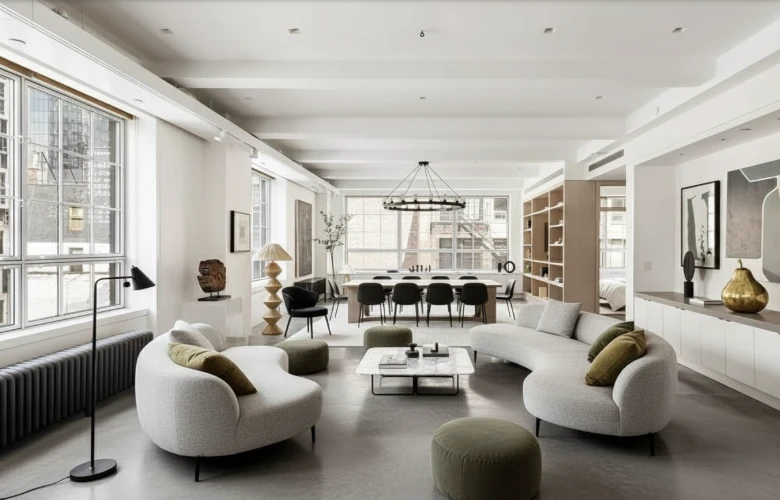
New York apartments have a specific set of constraints: low ceilings in some buildings, narrow hallways, radiators in weird spots, and limited natural light in north-facing units. Not every style works equally well.
What works best in small NYC spaces:
- Post-modern interior design clean lines, built-in storage, light colors. Works beautifully in studio and one-bedroom apartments
- Mid-century modern warm wood tones and tapered legs create visual space without bulk
- Minimalist / Japandi especially effective in north-facing units where the palette carries the room
- Modern Victorian works well in brownstones and pre-war co-ops with original molding and high ceilings
What requires more planning:
- Rustic or reclaimed wood styles great in lofts, tricky in post-war high-rises
- Maximalist or bohemian needs ceiling height and square footage to breathe
In a recent 900 sq ft studio in Tribeca, we used custom built-ins from a local Brooklyn millwork shop to gain 40% more usable storage without the apartment feeling smaller. IKEA’s PAX system is a solid budget alternative if custom work isn’t in the budget.
Room-by-Room Cost Breakdown for NYC Apartments
Prices vary by neighborhood, building type, and finish level. These are honest mid-range estimates for 2026 based on our project experience:
Living Room Redesign (no construction): $8,000–$20,000
Includes: sourcing furniture, lighting, styling, art placement. Wayfair and Ashley Furniture work well for budget builds; trade-only showrooms for higher-end projects.
Kitchen Update (no layout change): $15,000–$45,000
Includes: cabinet refacing or replacement, countertop swap (quartz vs granite quartz wins in NYC for durability and low maintenance), backsplash, hardware. Lowe’s and Home Depot Pro are reliable for mid-range materials.
Bathroom Renovation: $12,000–$35,000
NYC bathrooms are small and expensive to tile. Budget for waterproofing especially in pre-war buildings where pipes can be unpredictable.
Full 2BR Apartment (furniture + light renovation): $60,000–$130,000
This is the most common scope we handle at Interior Design Trend. The range depends heavily on whether the kitchen and bathrooms are included.
The NYC Interior Design Hiring Process: Step-by-Step
Most people in New York get this wrong. They hire based on portfolio alone and skip the contract details. Here’s the right process:
Step 1 Initial consultation ($200–$750)
Most reputable NYC designers charge for this. Anyone who offers it free for a full apartment project is likely compensating via markups on furniture which isn’t bad, but know what you’re signing up for.
Step 2 Review the Letter of Agreement carefully
Specifically look for: revision limits, who owns the design drawings, how change orders are priced, and what happens if you end the project early. Missing these details caused headaches on 3 of our client intake projects last year.
Step 3 Understand the payment schedule
A typical NYC design project deposits at signing (25–33%), with milestone payments tied to deliverables. Never pay 100% upfront.
Step 4 Board approval (for co-ops)
If you’re in a co-op, your designer should understand the alteration agreement requirements. This adds 2–6 weeks to the timeline and requires specific documents including licensed contractor COIs.
Step 5 Construction and site visits
A good designer visits the site during key installation phases, not just at the reveal. This is where material swaps and measurement errors get caught.
Top Neighborhoods and What to Expect
Interior design in New York City shifts dramatically by neighborhood not just in style, but in budget and building constraints.
Manhattan (Upper East/West Side, Tribeca, SoHo): Pre-war buildings with specific alteration rules. Expect higher contractor costs $150–$250/hour for licensed trades. Classic, refined styles dominate, though SoHo lofts embrace more industrial and contemporary aesthetics.
Brooklyn (Williamsburg, Park Slope, DUMBO): More flexibility for creative styles. Brownstones are ideal for mixed-era design. Mid-range costs. Less co-op red tape.
Queens (Astoria, Long Island City): Growing market, newer high-rises with modern specs. Often easier to work in than Manhattan but less design vendor access nearby.
The Bronx and Staten Island: Budget-friendlier contractor market. Residential projects here often use Lowe’s and Home Depot for materials rather than trade-only suppliers.
Interior design in New York City FAQ Section
How much do interior designers make in New York City?
Depending on experience, interior designers make between 70,000 to 120 000 per year.
How much do interior designers charge in NYC?
The rates vary between $200 and 400 every hour with complete projects being higher.
How much should you spend on interior design?
Majority of the homeowners invest between 7 and 15 percent of property value in interior design.
What is the golden rule of interior design?
Every design decision should be made based on balance, proportion and functionality.
Interior design trends popular in New York City apartments?
Minimalist designs, neutral color schemes, inbuilt storage, and versatile furniture are popular trends. The apartments in NYC are also inclined to use modern lighting, natural textures, and environmentally friendly materials to use as many spaces and feel comfortable without cluttering.
How much does an interior designer cost in NYC in 2026?
Most residential designers in New York charge $150–$500/hour or flat project fees of $5,000–$80,000+. Full apartment redesigns without construction typically run $25,000–$50,000. Always clarify whether the fee includes furniture sourcing or just design direction.
Is it worth hiring an interior designer in New York City?
For most apartments, yes especially in pre-war buildings or co-ops with strict rules. A good designer prevents expensive mistakes, manages contractor relationships, and often saves money through trade pricing on furniture and materials. The complexity of NYC construction alone justifies the fee.
What style works best for small NYC apartments?
Post-modern, minimalist, and mid-century modern all perform well in small spaces. Built-in storage is the real secret it gives you more square footage without a single extra square foot. Custom millwork from a Brooklyn shop or IKEA’s PAX system are both solid options depending on budget.
What’s the difference between an interior designer and an interior decorator in NYC?
Interior designers can make structural and spatial changes and often hold NCIDQ certification. Interior decorators focus on furnishings, styling, and aesthetics without touching architecture. For NYC apartments, a designer is usually the safer hire especially if any construction or layout work is involved.
Conclusion
The interior design in New York City involves intelligent planning, innovation and professionalism. The shortage of space and hectic schedules make a collaboration with an experienced New York City interior decorator or designer useful in coming up with functional workable homes. Turning any space into a contemporary relaxing home, the NYC residents can make their house a modern and comfortable dwelling and adhere to the current interior design trend.
Explore Inteior design Style Quiz