Last Updated on 5 months ago by
Pick the wrong interior design style and your home feels like someone else’s. Pick the right one and every room you walk into feels like it was made for you.
That’s the real purpose of understanding interior design styles — not to follow trends, not to impress guests, but to create a home that genuinely reflects how you live and what you love. The challenge is that there are dozens of named styles, the terminology is inconsistent, and most guides describe what each style looks like without helping you figure out which one actually fits your life.
This guide does both. It covers the major interior design styles dominating American homes in 2026, explains what makes each one distinct, shows how they compare to each other, and gives you a practical framework for finding the one that works for your space, your budget, and the way you actually live.
Why Interior Design Style Matters More Than Trends
Before getting into the styles themselves, it’s worth being clear about something most design content gets wrong.
Interior design trends change every year. Styles don’t. A trend is a color, a material, or a specific look that rises and falls in popularity over a short cycle. A style is a coherent design philosophy with consistent principles that holds up over decades. Limewash walls are a trend. Rustic design is a style. Bouclé fabric is a trend. Minimalism is a style.
The most successful interiors in any given year are built on a clear stylistic foundation, with trend elements layered in selectively. When you know your style, you can evaluate any trend quickly: does this fit my direction, or is it noise? That clarity makes every design decision faster, cheaper, and more likely to produce a result you’ll love long-term.
A well-chosen interior design style also has a practical financial benefit. Homeowners who work within a clear style framework buy fewer wrong pieces, make fewer costly mistakes, and create more cohesive results on a smaller budget than those who shop without a design direction.
How to Find Your Interior Design Style Before You Spend a Dollar
Most people approach this backwards. They start buying furniture and accessories and try to identify their style later. The result is a room that feels pulled in multiple directions.
A better approach takes about an hour and costs nothing.
Collect 20 to 30 images of rooms you genuinely respond to. Use Pinterest, Houzz, Architectural Digest, or Instagram. Don’t filter by style label or what you think you should like. Just save images that make you stop and look twice.
Then look at what they have in common. Are the rooms mostly clean and uncluttered, or layered and rich? Do they favor dark, dramatic tones or light, airy ones? Are the furniture forms sleek and geometric or soft and organic? Are the materials primarily natural (wood, stone, linen) or more refined (lacquer, marble, velvet)? Is there a lot of pattern or mostly solid surfaces?
The patterns in your saved images will point directly to your style. More often than not, people discover their aesthetic isn’t complicated — they’ve just never had a name for it.
Once you have a direction, use this guide to match it to a specific style with a clear set of principles you can apply consistently.
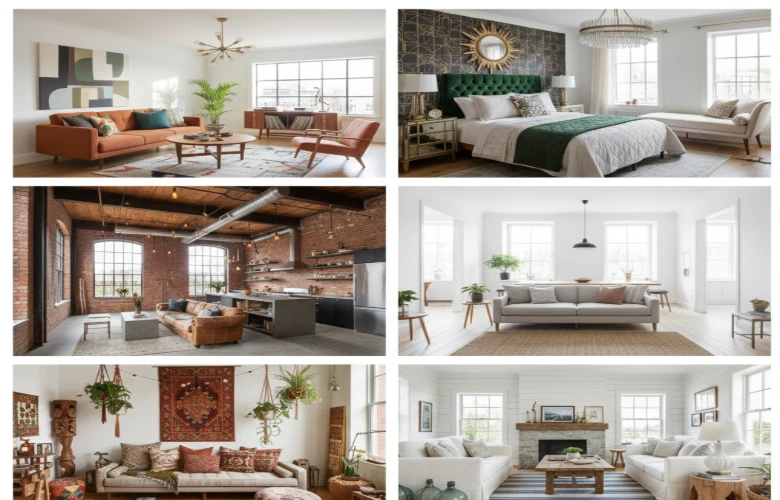
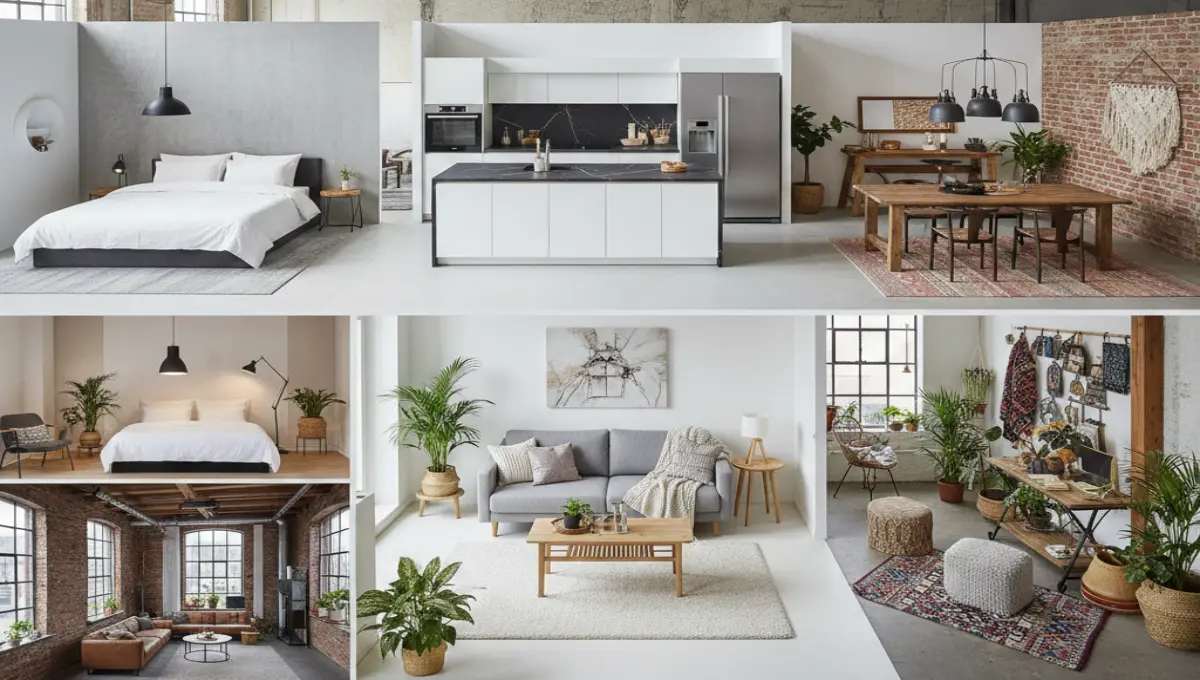
The 7 Major Interior Design Styles Explained
1. Modern Interior Design
Modern interior design is one of the most misunderstood styles in American homes. It’s frequently confused with contemporary design, minimalism, and the cold, sterile aesthetic that gave modernism a bad reputation in certain design circles.
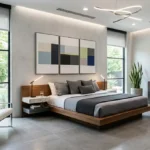
Here’s what it actually is: a design philosophy rooted in the early-to-mid 20th century Modernist movement, built around the principle that form follows function. Clean lines, natural materials used honestly, open floor plans, and minimal ornamentation are the foundations. In 2026, modern design has evolved to incorporate significantly more warmth — warm whites instead of cool ones, natural wood with visible grain, bouclé and linen upholstery, and curved forms that soften the geometric precision of the original movement.
Core characteristics:
- Clean, uncluttered lines and simple geometry
- Neutral-dominant color palette with one deliberate accent color
- Natural materials: wood, stone, glass, metal in honest finishes
- Open floor plans with purposeful negative space
- Layered lighting: ambient, task, and accent sources
Who it suits: People who value order, calm, and well-made things. Those who find decoration for its own sake exhausting. Homeowners who want their space to feel intentional rather than accumulated.
What it costs: One of the most budget-friendly styles to execute well. The emphasis on editing rather than adding means you need fewer pieces. The challenge is quality — modern design with cheap furniture looks worse than almost any other style with cheap furniture, because the forms are simple enough to make poor construction visible.
Our complete guide to clean modern home design covers every room in detail with 2026-specific updates.
2. Rustic Interior Design
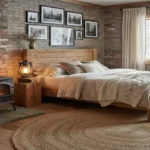
Rustic interior design is built around natural, honest materials — wood, stone, fiber, and aged metal — used in ways that celebrate their natural character rather than refining it away. Grain, knots, texture, imperfection, and evidence of age are not problems in rustic design. They’re the entire point.
In 2026, the dominant expression of rustic design in the USA is what designers are calling the Rustic Modern Revival. It pairs the warmth and authenticity of rustic materials with cleaner lines, better editing, and a lighter overall hand than traditional cabin or farmhouse rustic. The result feels warm and grounded without feeling heavy or themed.
Core characteristics:
- Natural wood as the primary material, reclaimed or lightly finished
- Stone fireplace or stone accent surfaces as anchors
- Layered natural textiles: wool, linen, jute, cotton
- Earthy, warm neutral color palette
- Handmade and vintage objects with genuine history
Who it suits: People who feel most at home in natural environments. Those who value authenticity over perfection. Anyone with a cabin, farmhouse, or home in a natural setting. Also works beautifully in urban spaces as a counterpoint to city life.
What it costs: One of the most thrift-store friendly styles available. Genuine vintage and used pieces are ideal — an aged wooden table from an estate sale contributes more to a rustic space than a new piece from a furniture store. Major investments tend to be flooring and fireplace work.
For a complete breakdown of elements, room-by-room ideas, and budget guidance, our rustic home aesthetics guide covers everything.
3. Bohemian Interior Design
Bohemian interior design — usually shortened to boho — is the style for people who collect, travel, and resist the idea that a room should look like it came from one place. It’s layered, personal, colorful, and deliberately eclectic. More is generally welcome. The style thrives on the accumulation of meaningful things from different sources, periods, and cultures.
Unlike most other design styles, bohemian design doesn’t have strict rules about what belongs and what doesn’t. What it does have is a consistent sensibility: warmth, texture, global influence, handmade craftsmanship, and a resistance to anything that feels mass-produced, corporate, or emotionally neutral.
Core characteristics:
- Layered textiles: rugs on rugs, throws, cushions in multiple patterns
- Rich, varied color — earthy neutrals or jewel tones depending on the approach
- Natural materials: rattan, jute, macramé, natural wood, terracotta
- Living plants throughout — large specimens and trailing varieties
- Personal, collected accessories: vintage finds, travel objects, handmade art
Who it suits: Creative people, travelers, collectors. Anyone who finds most design styles too restrictive. People who have accumulated meaningful objects and want a home that showcases them rather than editing them out.
What it costs: Potentially very affordable, because the style rewards thrifting, DIY, and working with what you already have. Bohemian design doesn’t require coordinated furniture sets or expensive designer pieces.
Our detailed bohemian bedroom styling guide is the best starting point for this style.
4. Minimalist Interior Design
Minimalism takes modern design’s principles to their logical endpoint. Where modern design is clean and purposeful, minimalism is spare to the point of near-emptiness. Every object present needs a reason to be there. Negative space is treated as a design element in itself, not as a gap between things.
The style’s Japanese influences — particularly the philosophy of ma, the concept of meaningful emptiness — give it a contemplative quality that distinguishes it from simply “having fewer things.” A well-executed minimalist interior is not just tidy. It’s considered in a way that creates genuine calm.
Core characteristics:
- Very limited material palette: usually one or two primary materials
- Monochromatic or near-monochromatic color schemes
- Furniture chosen for both function and visual purity
- Storage solutions that keep surfaces completely clear
- Quality prioritized absolutely over quantity
Who it suits: People who find visual clutter genuinely stressful. Those with strong aesthetic opinions who want those opinions undiluted by additional elements. Works best for people with disciplined habits around acquiring and keeping things.
What it costs: High unit cost, low total cost. Minimalism requires fewer pieces but each piece bears more visual weight, which means quality matters more than in any other style. A cheap sofa in a minimalist room has nowhere to hide.
5. Industrial Interior Design
Industrial interior design takes its visual language from factories, warehouses, and commercial spaces — the exposed structure, raw materials, and utilitarian character of working buildings repurposed as living environments.
The style is honest about how buildings are made. Brick that hasn’t been plastered over. Steel beams left visible. Concrete floors without covering. Ductwork exposed at the ceiling. These elements, combined with an urban color palette of charcoals, warm blacks, deep browns, and rust tones, create environments that feel raw, uncontrived, and distinctly urban.
Core characteristics:
- Exposed structural elements: brick, steel, concrete, ductwork
- Dark, warm-neutral color palette: charcoal, rust, black, warm brown
- Metal furniture and lighting: steel, cast iron, black powder-coat finishes
- Vintage and repurposed objects: factory equipment, industrial shelving
- Open floor plans with high ceilings where possible
Who it suits: Urban dwellers, particularly in loft and warehouse conversion apartments. Those who appreciate honest, unadorned environments. People who want a home that feels urban rather than domestic.
What it costs: Varies enormously. In existing loft spaces or historic warehouse conversions, the architectural elements are already there. In a standard apartment, creating an industrial aesthetic requires more deliberate effort through furniture and material choices.
6. Scandinavian Interior Design
Scandinavian design, sometimes called Nordic design, comes from the design traditions of Denmark, Sweden, Norway, and Finland. It combines modernism’s love of function and clean form with a warmth and coziness rooted in hygge — the Scandinavian concept of comfortable, contented living — that pure modernism often lacks.
In 2026, Scandinavian design has evolved beyond the stark minimalism that characterized its most widely recognized iteration in the 2010s. The current expression is warmer, more layered, and more explicitly connected to nature. Pale wood tones remain central, but they’re paired with warmer neutrals, more textile layering, and a greater emphasis on candlelight and atmospheric lighting.
Core characteristics:
- Pale wood tones: light birch, ash, pale oak
- White and warm neutral walls with minimal decoration
- Natural textiles: wool, linen, cotton in soft natural tones
- Simple, functional furniture with clean Scandinavian lines
- Emphasis on natural light, candles, and warm artificial lighting
- Plants as a primary decorative element
Who it suits: People who want the clean simplicity of modern design with more warmth and livability. Those who value comfort as much as aesthetics. Ideal for smaller spaces where lightness is important.
Traditional interior design draws from the formal European design traditions of the 18th and 19th centuries — symmetrical arrangements, rich textiles, dark wood furniture, detailed millwork, and a general sense of refinement and historical weight. It’s the style of grand English country houses, formal French salons, and the classic American interior that generations of homeowners grew up considering “just what a nice home looks like.”
What it costs: Mid-range. IKEA, which originates from Sweden, is one of the most reliable and affordable sources for Scandinavian-influenced furniture. Higher-quality pieces from Danish brands like HAY, Muuto, and Menu cost more but are well-made and long-lasting.
7. Traditional Interior Design
In 2026, traditional design is being reinterpreted. The stiff, overly formal version that made it feel dated is giving way to something warmer, more comfortable, and more personal — what designers are calling Modern Heritage or New Traditional. The architectural bones and material quality of traditional design are preserved, but the mood is lighter, the colors are fresher, and the overall feel is more livable.
Core characteristics:
- Symmetrical furniture arrangements and balanced room layouts
- Rich textiles: velvet, silk, damask, wool in jewel and deep neutral tones
- Dark wood furniture with classic profiles: cabriole legs, carved details
- Detailed millwork: crown molding, chair rail, wainscoting, built-ins
- Formal pattern: toile, plaid, florals, stripes in traditional colorways
- Classic art: portraits, landscapes, still life in ornate frames
Who it suits: People who appreciate formality and historical reference. Those with classic architectural homes that support the scale of traditional furnishings. Homeowners who want their space to feel substantial and permanent rather than trend-driven.
What it costs: Traditional design tends toward higher cost because of the quality of materials and the scale of pieces involved. Antique markets, estate sales, and auction houses are the most cost-effective sources for genuine traditional furniture.
Styles That Are Trending in 2026 — Beyond the Core Seven
The seven styles above are the foundational categories. But several additional approaches are gaining significant momentum in the USA market right now, and they’re worth understanding.
Japandi combines Japanese minimalism with Scandinavian warmth. It shares wabi sabi’s appreciation for natural materials and imperfection, but has a more contemporary and design-forward expression. Our guide to wabi sabi design principles covers the Japanese design philosophy that underlies much of the Japandi aesthetic.
Modern Farmhouse sits at the intersection of rustic and traditional design. Less strict than either parent style, it’s built around shiplap, barn doors, neutral palettes, and the kind of casual American comfort that reads as both relaxed and put-together. It’s been the dominant residential style in suburban USA for most of the past decade.
Coastal Modern takes natural light, airy colors, and the material palette of beach environments — weathered wood, linen, sea glass tones — and applies them with contemporary restraint. Popular in California, Florida, and the Carolinas.
Biophilic Design is less a complete style and more a design philosophy that prioritizes the human connection to nature through material choices, natural light, plant integration, and organic forms. It overlaps with almost every other style listed here and represents one of the strongest design directions of 2026 across residential and commercial spaces.
How Different Interior Design Styles Compare
| Style | Mood | Color Palette | Key Materials | Budget Level |
|---|---|---|---|---|
| Modern | Calm, intentional | Warm neutrals + 1 accent | Wood, stone, metal | Medium |
| Rustic | Warm, natural | Earthy browns and neutrals | Reclaimed wood, stone | Low to medium |
| Bohemian | Expressive, layered | Earthy or jewel tones | Rattan, jute, natural fiber | Low |
| Minimalist | Serene, spare | Monochromatic neutrals | Single primary material | High per unit |
| Industrial | Urban, raw | Charcoal, rust, black | Steel, concrete, brick | Medium |
| Scandinavian | Light, cozy | White, pale wood, soft neutrals | Light wood, linen, wool | Low to medium |
| Traditional | Formal, rich | Deep jewel and neutral tones | Dark wood, velvet, silk | Medium to high |
Mixing Interior Design Styles — What Works and What Doesn’t
Most real homes don’t fit cleanly into one style. And they don’t need to. The most interesting interiors typically blend two compatible styles thoughtfully rather than committing rigidly to one.
Some combinations work consistently well:
Modern + Rustic. Clean contemporary lines with natural materials and warmth. The most widely successful combination in American residential design right now.
Scandinavian + Bohemian. The light, simple base of Scandinavian design grounds the layered eclecticism of bohemian style. The result is warm, personal, and uncluttered.
Traditional + Modern. Classic architectural details and quality materials with contemporary furniture and restraint. This is essentially what Modern Heritage describes.
Industrial + Bohemian. Raw urban materials softened by layered textiles, plants, and personal objects. Popular in urban apartments.
Some combinations don’t work as naturally:
Minimalist + Bohemian. These two styles have directly opposing philosophies about accumulation and editing. Trying to execute both simultaneously usually produces neither.
Traditional + Industrial. The formality and historical reference of traditional design conflicts with the utilitarian rawness of industrial aesthetics. Elements of each can appear in the same home in different rooms, but not convincingly in the same space.
Which Interior Design Style Suits Your Home Type?
Your architecture is part of the equation. Some styles fit certain building types naturally, while others require more deliberate effort to work.
Historic homes with original architectural details (Victorian houses, Colonial homes, craftsman bungalows): Traditional, Modern Heritage, or a thoughtfully modern interior that honors rather than fights the original architecture.
Open-plan suburban homes built after 1990: Modern, modern farmhouse, or Scandinavian work naturally with the open layouts and standard proportions of contemporary construction.
Urban apartments and loft spaces: Modern, minimalist, industrial, or Scandinavian all suit the scale, materials, and urban context of apartment living. Bohemian works well in apartments with good natural light.
Cabins, rural properties, and mountain homes: Rustic, modern cabin, or a Japandi-influenced natural aesthetic. Our modern cabin interior guide covers this specifically.
Small spaces under 800 square feet: Scandinavian, minimalist, or modern. Styles that rely on layering and accumulation — bohemian, traditional — require more careful editing in small spaces but can still work.
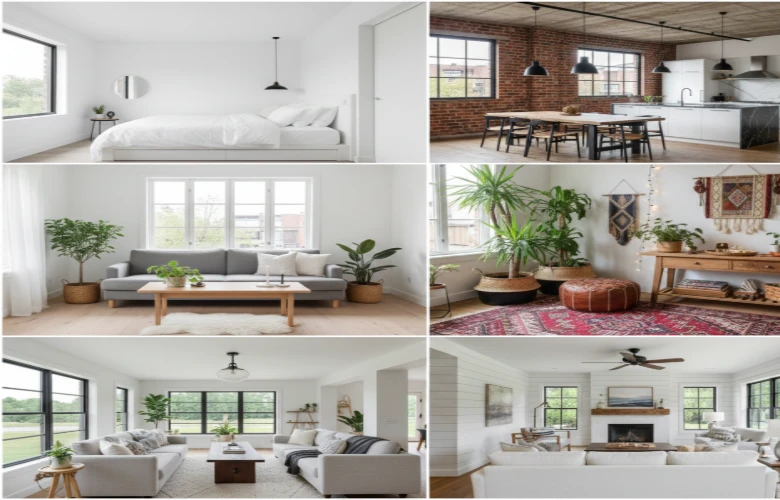
Interior Design Styles and Cost: What Each Style Realistically Costs
One of the most useful things any style guide can include is an honest assessment of what different styles cost to execute well. Here’s a realistic range for furnishing a typical living room in each style:
| Style | Budget Range (Living Room) | Key Investment |
|---|---|---|
| Modern | $3,000 to $15,000 | Quality sofa, one statement piece |
| Rustic | $1,500 to $10,000 | Reclaimed wood table, area rug |
| Bohemian | $800 to $8,000 | Rugs, textiles, plants, vintage finds |
| Minimalist | $5,000 to $20,000 | Fewer but better quality pieces |
| Industrial | $2,000 to $12,000 | Lighting, metal furniture |
| Scandinavian | $1,500 to $10,000 | Pale wood furniture, textiles |
| Traditional | $5,000 to $25,000+ | Quality upholstery, dark wood pieces |
These are furniture and accessories costs only. If you’re also doing renovation work — new flooring, paint, lighting installation — add those costs separately. For a full picture of renovation investment, our guide on what interior designers charge and the kitchen remodel cost guide give realistic numbers by project type and USA location.
The Role of Color in Interior Design Styles
Color is one of the clearest signals of which style a room belongs to. Here’s how different styles approach color:
Modern uses warm neutrals as a foundation with one deliberate, confident accent color. The accent is usually a single bold tone — deep forest green, dusty terracotta, rich navy — applied through one major element.
Rustic stays in earthy, natural territory: warm browns, creamy whites, soft greens, dusty ochre. Bold color appears rarely and only through natural accent tones.
Bohemian is the most colorful of all the major styles, but it comes in two versions: warm earth tones (terracotta, ochre, rust, sage) or rich jewel tones (ruby, sapphire, amethyst). Both are legitimate and both require a consistent palette to prevent chaos.
Minimalist works in monochromatic or near-monochromatic palettes. The entire color scheme often exists within a single tonal family.
Industrial uses a dark, urban palette: charcoal, warm black, rust, deep brown. Accent colors are rare and usually warm metallic.
Scandinavian is built on white and pale wood tones, with soft natural accents. Deeper colors appear as small moments — a single colored throw, an accent chair in a muted tone.
Traditional uses rich, deep colors — jewel tones, deep neutrals, and formal patterns in coordinated colorways. More color and pattern than almost any other style except bohemian.
How Interior Design Styles Have Evolved in 2026
Every major style is slightly different in 2026 than it was five years ago. Here’s what’s changed:
Modern design has gotten warmer. The cold, all-white modernism of the 2010s has given way to warm whites, natural wood, and textural surfaces.
Rustic design has gotten more refined. The heavy, dark cabin aesthetic has evolved into the Rustic Modern Revival — cleaner, lighter, and more intentional.
Bohemian design has gotten more edited. The maximalist piling-on of the mid-2010s boho peak has given way to a more considered version that still layers, but with more color discipline and fewer random objects.
Minimalism has gotten warmer. Pure cold minimalism is being replaced by what some call “warm minimalism” — the same editorial discipline but with natural materials, warm lighting, and soft textiles.
Scandinavian design has gotten cozier. The stark Nordic minimalism of a decade ago has evolved into something richer and more hygge-focused, with deeper colors, more layered textiles, and a greater emphasis on atmospheric lighting.
Traditional design has gotten more relaxed. Stiff formality has given way to Modern Heritage — all the quality and architectural richness of traditional design with a more livable, personal, and contemporary spirit.
How to Choose Your Interior Design Style: A Practical Decision Framework
If you’ve read this far and still aren’t sure which style fits you, work through these questions:
Do you prefer more or fewer things? If you tend to collect and love having meaningful objects around you, bohemian or traditional will feel right. If you find visual clutter stressful and prefer clear surfaces, modern or minimalist will serve you better.
Do you prefer natural or refined materials? If wood, stone, linen, and rattan feel right, rustic, bohemian, or Scandinavian are your territory. If you prefer the refinement of lacquer, polished metal, and quality upholstery, modern, traditional, or minimalist may be better fits.
Do you prefer light spaces or dramatic ones? Light, airy rooms suggest modern, Scandinavian, or minimalist. Dark, rich, moody rooms suggest traditional or industrial.
How important is historical reference to you? If you love the weight and authority of classical design elements, traditional is the right direction. If historical reference feels constraining, modern or minimalist will suit you better.
What’s your cleaning tolerance? Bohemian and rustic styles are forgiving of imperfection and ongoing life. Minimalist and modern styles require consistent effort to maintain because every surface is visible and clutter is instantly apparent.
FAQs: 7 Types of Interior design.
What are the most used 7 types of interior design styles in the USA?
The interior design styles that are the most popular are modern, rustic, and minimalism-inspired ones because of their flexibility and comfort.
Do you have to combine various styles of interior design in a single house?
It is true that a lot of U.S houses have managed to incorporate the interior design and maintain a constant palette of colors and a proportional structure.
What type of interior design will suit small houses?
Modern Wabi Sabi and modern interior design styles are good in small spaces since they are simple and functional.
Is it all about decoration in interior design?
No, layout, functionality, use of lighting and daily use of the space are also considered in interior design.
Which forms of interior design styles are most popular?
Most popular styles are modern, contemporary, minimalist, industrial, Scandinavian, traditional, and bohemian. All styles have their own characteristics and preferences so the optimal option is determined by your space, essence of life and personal inclination.
Conclusion of 7 types of interior design
The 7 Types of Interior Design guide can assist the homeowners in making better and more informed decisions about the design. All the interior design styles have their own advantages, be it the warmth, creativity, calm or elegance. The contemporary trends in interior design in the U.S.
Have a tendency to incorporate traditional features in the mix with the modern requirement and resulting in fashionable and functional spaces. Knowing the fundamentals of each of the styles you can create a home that shows your personality and helps to sustain your lifestyle.
The correct interior design is not based on the rules but rather on the ability to make one feel like home.