Last Updated on 8 months ago by
Interior design in room planning can be critical in the appearance, sense, and functionality of a space. The room can be a bedroom, living-room or a multipurpose room, but proper interior design can turn an otherwise pedestrian room into a comfortable and pleasing place to be. At the time when space is a precious attribute in modern homes, making a design choice directly affects the quality of everyday life.
Another trend in interior design that is currently very strong is the attention to the balance between aesthetics and functionality. Homeowners are no longer creating rooms to look pretty but they need rooms that would assist their way of life, enhance their organization and make them more comfortable. A well-decorated interior design enables a room to be bigger, brighter, and more functional without the need to demolish the structure.
Knowledge of interior design in room settings aids in preventing the expensive errors as well as making certain that all design options are value-added. It is necessary to determine the typical issues in the designs before choosing colors, furniture, or decor and solve them with feasible solutions.
Typical Issues in the interior design in Room Planning
Most of the rooms do not maximize their potential due to a bad interior design choice. Such issues are commonly presented not only in small but also in large spaces and they may include functionality, comfort, and visual harmony.
Poor Space Utilization
Inefficient use of space in the interior design in room layouts is one of the most prevalent problems. The cramped or unbalanced effect of a room can be caused by oversized furniture, the superfluous items, or even the improper arrangement of a room. This issue is especially evident in small rooms, which results in crowded interior and confined movement.
Lack of Design Cohesion
Lack of a strong design style is another common problem. It is too easy to mix colors, materials, and furniture styles and create a visual confusion. In the absence of a definite theme or point, the room can look untidy and unfinished.
Interior design in room Incorrect Lighting Choices
Lighting is an important aspect of interior design that is not given much attention. Use of overhead lighting only can make a room look flat and unattractive. The lamps in the wrong positions may also make the place less functional particularly in the work or rest place.
Underperforming Color Choice.
The wrong color palette choice can make an impression towards a negative effect on a room. Small rooms done in dark colours will cause the room to feel small, whereas very bright colours will also overwhelm. Interior design in room planning may not produce the desired mood without having knowledge on the psychology of colors.
Basic tenets of successful interior design of room.
The design industry is founded on a collection of core values that assists in guiding all the decision-making. These principles should be used to make sure that the room is balanced, functional, and appealing to the eye.
Balance and Proportion
The concept of balance in interior design is the visual weight of components in the room. The symmetrical balance provides the structure and formality of appearance whereas asymmetrical balance is much more free and contemporary. Proportion: This makes the furniture and decor to be of proper size in relation to the room.
Harmony and Unity
Harmony ties everything in the interior design when it comes to room decoration. This involves the use of similar color schemes, complementary material and repetition patterns. The togetherness of the room creates the impression of the room being purposely created rather than haphazardly.
Focal Points
Each room that is well designed requires a center. This may be a feature wall, artwork, fireplace or a statement piece of furniture. The room has a distinct focal point that takes the overall line of designing the room.
Functionality First
The room should be appealing to the eye, without any functionality. The interior design must always endorse the way the room is used on daily basis. The arrangement of furniture, storage facilities, and movement should be in line with the practical requirements.
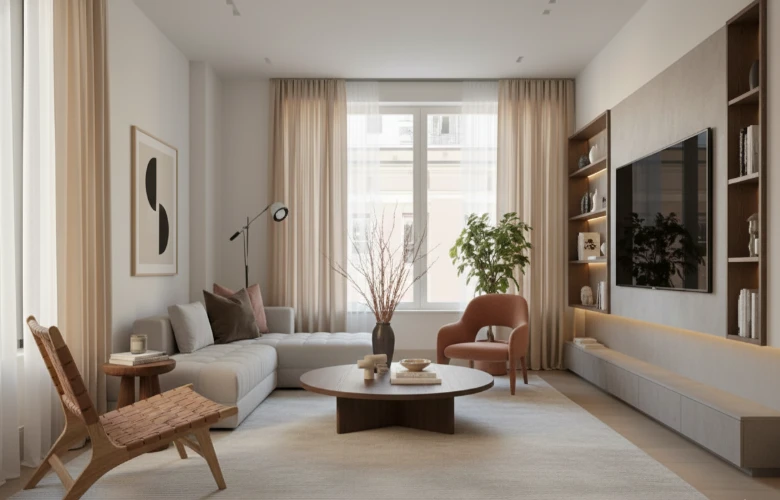
Solutions for Interior design of various rooms
A home has individual needs by each room. Interior design application in room planning should be based on the utilization of the space, the users, and frequency.
Interior Design Solutions Living Room
A living room is one of the rooms that is usually utilized in a house. Solutions to living rooms interior design emphasize on comfort, socialization and aesthetic beauty.
- Furnishings should be taken to promote movement and communication.
- Carpets should be used to demarcate sitting areas.
- Add a layered lighting, such as ambient, task, and accent lighting.
- Select a neutral base color with accent colors so as to be flexible.
- The solutions are useful in developing a friendly atmosphere and ensuring practical interior design.
Design Solutions Bedroom Interiors
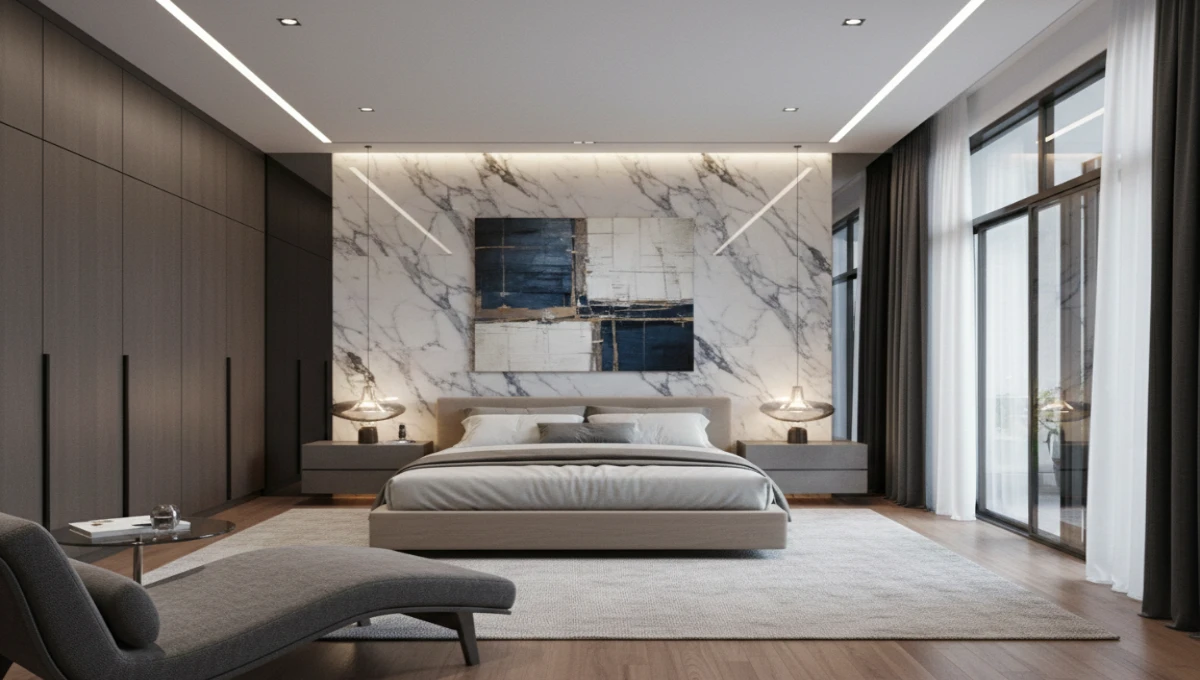
Bedrooms must be relaxed and comfortable. Room planning in interior design of bedrooms is oriented at the development of a relaxing atmosphere.
- Choose soft and dull color schemes.
- Store using multifunctional furniture.
- Maximize the use of lighting with bedside lamps and dimmers.
- Minimize decor to minimize visual clutter.
- An adequately designed bedroom enhances the quality of sleep and the general welfare.
- The trends of modern interior design that generate an impact on the design of the room.
The trends in interior design keep influencing the way the rooms are designed and arranged. Observing these trends will also assist in establishing spaces that do not seem to be outdated and still retain a personal touch.
Minimalist Room Interiors
Minimalism is a persistent trend in interior design; it is characterised by straight lines, palette of neutral colours and uncluttered spaces. This style is especially effective in smaller rooms, where minimalism is especially helpful in making the room open.
Green and Environmentally-Friendly Design.
Green wood, recycled fabrics and low-energy light sources are becoming more and more popular. Planning of the interior design in rooms has tended to have environmentally conscious options that favor the long-term occupancy.
Intelligent and Multitasking Design.
Ranging from intelligent lighting, modular furnishing and multi-purpose design is a common feature in modern rooms. These solutions enhance flexibility and maximum use of space, particularly in the urban living.
Advantages of Well-planned Interior Design in Room Spaces.
The use of effective interior design has both short-term and long-term advantages.
- Better ease and functionality.
- Improved visual and layout.
- Increased property value
- Improved mood, productivity and relaxation.
- A well-thought room can facilitate the day-to-day life with a personal style and adherence to current interior design trends.
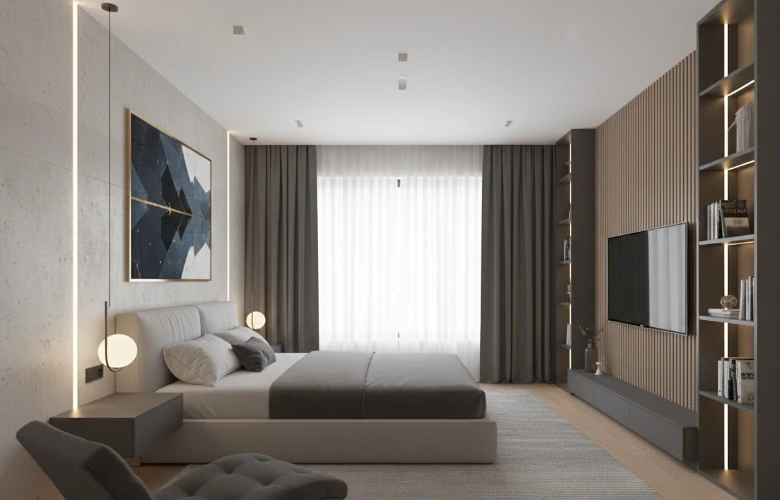
Interior Design in Room Ideas
Whereas simple principles form a strong backbone, sophisticated interior design in room planning is concerned with sophistication, personalization, and functionality in the long run. The rooms must be approached with specific approaches that will help maximize comfort and utility, as well as fit the contemporary standards of the interior design.
Kitchen and Dining Room Interior design
Kitchen and dining rooms require a combination of functionality and aesthetics. Poor layouts will mean wastages of space, reduced storage room, and awkward movement.
Common Problems
- Inefficient work triangles
- Lack of storage solutions.
- Inadequate lighting to prepare food.
Interior Design Solutions
- Store using modular cabinets and vertical storage to maximize the available space.
- Fit task lights under cabinets to make it work.
- Select the long-lasting and yet fashionable materials like quartz countertops.
- Ensure that there is continuity between kitchen and dining spaces.
A functional kitchen will optimise workflow and will help sustain a clean and modern interior design trend.
Multi-purpose Room and Home Office Design
Due to the increase in remote work, interior design has become significant in room planning when designing home offices.
Common Problems
- The absence of division between work and rest.
- Poor ergonomics
- Inadequate lighting
Interior Design Solutions
- Apply zoning methods on rugs or shelves.
- Invest into ergonomic furniture.
- Place desks close to the light sources.
- Add sound to decrease noise.
- These architectural decisions enhance efficiency and are comfortable and not at the expense of the design.
Color Psychology and its application Interior design
One of the most powerful factors of interior design is color choice. It has a direct impact on mood, space perception and the atmosphere of the room.
- Understanding Color Impact
- Light colors ensure that the rooms are open and airy.
- Darker colors are more intimate and three dimensional.
- Warm colors generate vitality and warmth.
- Cool colors are relaxing and attentive.
Planning of the interior design ought to be relevant in the selection of colors based on the room being used. As an example, bedrooms should be painted in relaxing colors whereas living rooms can be painted warmer.
Creating Color Harmony
- There is a unified color play that allows visual balance. Designers often use:
- Minimal interior monochromatic schemes.
- Similar colors to create transitions.
- Accent colors of neutral bases to allow flexibility.
- The method allows providing long-term flexibility and adhering to the changing trends in interior design.
Lighting Design: Improving the Use and Beauty
Lighting one of the most significant, but underestimated features of interior design in room layout. Even the most fashionable interiors may be spoiled by poor lighting.
Lighting in Interior Design
- General lighting to ensure an overall light.
- Specific activity task lighting.
- Lighting to emphasize areas of interest.
- Broken lighting produces volume and improves room functionality.
- Natural Light Optimization
The use of natural lights enhances the aesthetic and energy efficient use. The solutions to interior design are:
- Sheer curtains or blinds
- Mirrors in strategic position.
- Light-reflective surfaces
- Natural light promotes wellness, and it augments the modern interior design principles.
- Furniture Choice and Optimal Planning.
Furniture has a twofold purpose in interior design, functionality and style. The selection of furniture is usually poor and results in either overcrowding or wastage of space.
- Smart Furniture Choices
- Scale furniture to room size
- Select trans-purpose pieces.
- Value convenience and stability.
- Furniture in the room planning of interior design must serve a purpose of increasing the movement as opposed to limiting it.
Interior design Layout Planning Techniques
Effective layouts:
- Maintain clear traffic flow
- Carpeted anchor seating.
- Place furniture where there is a focal point.
- These methods guarantee the balance and usability of the rooms of various types.
Storage Solutions to the Contemporary Room Interiors.
The issue of clutter is one of the most significant in interior design. Even good rooms will become cluttered without appropriate storage.
Built-In and Hidden Storage
The solutions of the modern interior design trends include:
- Built-in wardrobes
- Under-bed storage
- Wall-mounted shelving
- These solutions save on space and also keep the floor clean.
- Decorative Storage Ideas
Storage may also be used to increase interior design when used wisely:
- Baskets and boxes as decor
- Open shelves with exhibited options.
- It is a style that is a combination of order and beauty.
- Pragmatic ideas of interior design that leads to success in the long run.
- Room planning should be flexible in interior designing. The tips are practical and can be used to ensure that designs are relevant in the long run.
- Invest in classic pieces of furniture.
- Wear seasonal accents in foundation patterns.
- Do not over-trend decoration items.
- The quality is more important than quantity.
- These plans minimize the number of redesigns which are necessary, but style is maintained.
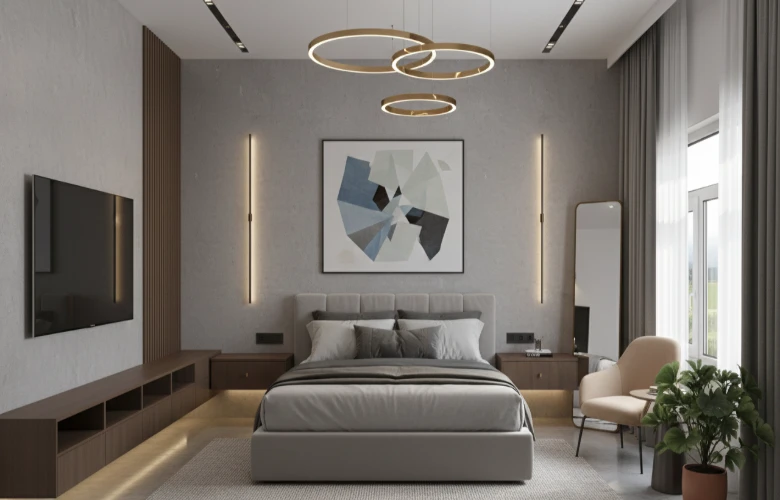
Professional Interior design has advantages in room spaces
The application of interior design principles has more than aesthetic qualities when applied in the right way.
- Functional Benefits
- Improved space utilization
- Improved comfort and effectiveness.
- More organization and storage.
- Economic and Personal Fringe Benefits.
- Less stress and psychological confusion.
- Higher productivity and relaxation.
- Superior attachment to residential areas.
- Financial Benefits
- Increased property value
- Higher resale appeal
- Long-term cost savings
- Interior design is a place where one is guaranteed of a great value in the long term.
Final Verdict: The Design of Room Interiors that are Balanced, Functional and Stylish.
Planning a room interior design does not just involve decorations but it is a planning process that integrates creativity, functionality and individuality. Given the everyday issues, utilizing tested designs, and adopting the emerging trends of interior design, any room could be transformed into an equilibrium and meaningful place.
Color choice and lighting, layout of furniture and maximization of storage, all the design decisions add to the experience of a room. Well considered interior design improves day-to-day life, facilitates well being, and indicates contemporary style of living.
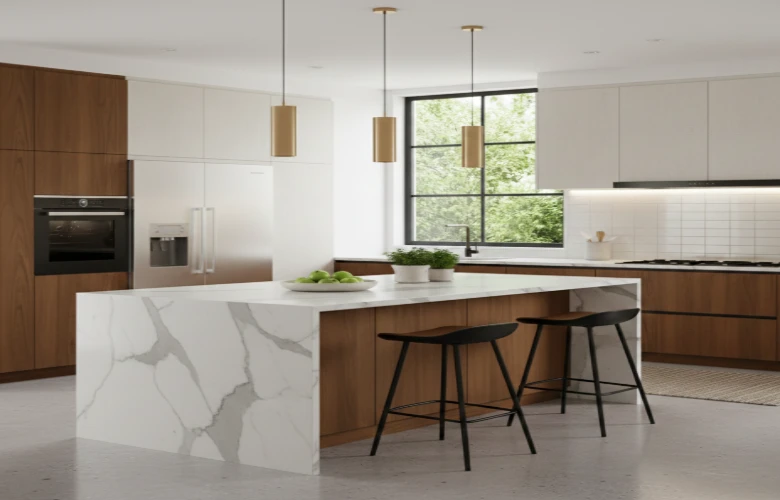
Interior design pricing per room
The most popular issue that homeowners have when deciding how to plan a renovation or a new space is the interior design pricing per room since the price can range widely based on the purpose of the room, how intricate the design is, and the choice of material that can bring about misunderstandings on budgeting and value.
The primary issue that most clients face is in the absence of clear, room-to-room pricing perceptions, primarily between a bedroom, living room, kitchen, or bathroom, as all the spaces have vastly different technical and aesthetic needs. Professional designers usually divide the price based on the number of rooms, amount of work, and customization as a solution, and clients know where their money is spent and how their decision to design influences the final price.
As a case in point, an interior design project with bedroom can be based on layout planning, lighting, color schemes, and furniture, which will lead to a rather average price range, whereas a living room will cost more because of custom storage, feature walls, and light layers, and more expensive types of finishes. Kitchens and bathrooms are likely to be the costliest rooms in interior design terms per room due to the use of cabinets, plumbing organization, hardy materials and exactness of work.
The trend of the chosen interior design is also considered by the designers because expensive styles, custom furniture, or foreign materials can increase the price, whereas a simple and functional design can be applied to manage the budget. As an interior design aspect, per-room pricing has the advantage of providing flexibility, better financial planning and the capability of prioritizing spaces according to lifestyle needs.
The greatest advantage with this solution is that the homeowners are able to spend more money on rooms that they use frequently but secondary rooms remain affordable so as to create a balanced as well as cohesive house without spending excessively. Finally, knowledge of interior design prices per room allows the client to make a better choice, correlate expectations with reality, and have a well-decorated area that would provide a long-term comfort, functionality, and aesthetic value.
Interior Design in Room – Frequently Asked Questions (FAQ).
What is interior design in room planning?
Room planning Interior design is how a room is planned and furnished, the layout of the room, color, lighting and ornamentation to enhance functionality and comfort and to make a room attractive. It is also concerned about the use of a room in everyday life with a unified interior style design.
What is the importance of interior design to a room?
Interior design is significant as it increases the use of space, comfort, and development of a fairly balanced space. An attractive room helps to enhance productivity, relieve stress, and emotional happiness as well as improve the value of property
What should I do to enhance interior design in a small room?
To beautify interior design in a small room:
Use light color palettes
Select multifunctional furniture.
Maximize vertical storage
Maximize natural and artificial lightings.
Such methods are used to increase the size of small rooms and make them more organized.
What are some of the worst errors in interior design of rooms?
Typical flaws in interior design are:
Furniture overcrowding.
Poor lighting placement
Lack of a focal point
Inconsistent color schemes
These problems can be prevented to ensure balance and functionality in the interiors of rooms.
FAQ 1: How come that interior design prices per room differ?
The cost of interior design differs depending on the room since facilities, materials required, and the complexity of design of various spaces differ. The technical work of rooms such as kitchen and bathroom is more complex as compared to bedrooms and living rooms. The level of customization and interior design trend chosen also influence the cost.
FAQ 2: Does the per-room interior design price offer a better solution to the budget control?
Surely, the pricing of interior design per room makes budget planning more transparent and clear. It enables the homeowners to spend money on high-usage rooms and control the expenses. This can be used to realize an interior design that is balanced and not extravagant.
Discover Interior design Quotation post